
Field Notes
Learning to Change the World with The Expedition School
A YLAI fellow from Suriname experiences The Expedition School Wilderness First Aid course and leaves convinced he could save a life.
BY MITCHEL MONSELS · THE EXPEDITION SCHOOL · MAY 2026 · 6 MIN READ
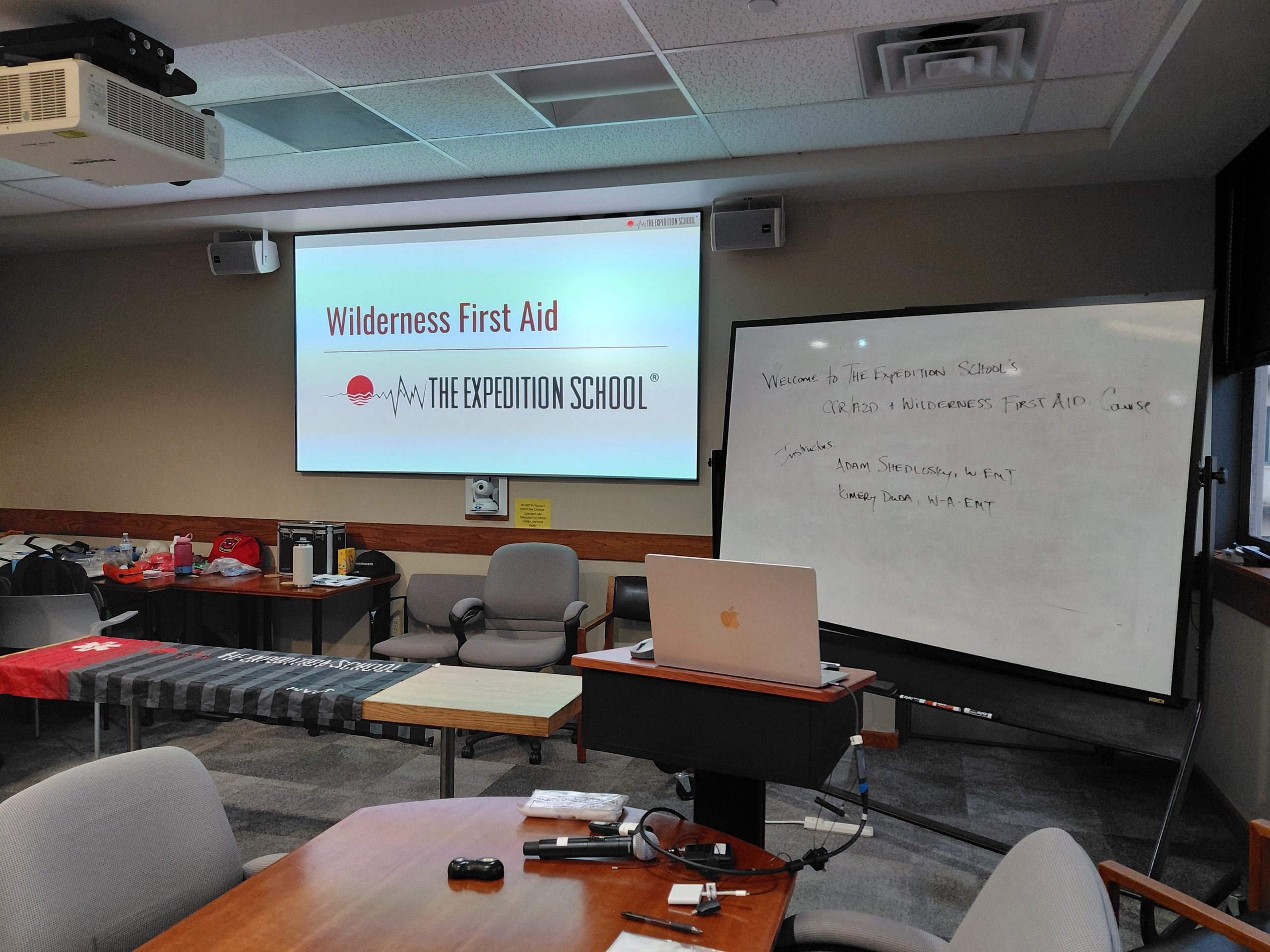
My name is Mitchel Monsels, a YLAI fellow from Suriname. And this is my honest take on Wilderness First Aid as taught by The Expedition School.
On Tuesday, the 4th of May, I was allowed to sit in on a class at the Jackson School of Geological at the University of Texas campus, taught by Kimery Duda, the founder of The Expedition School, and Adam Shedlosky, the assistant director of The Expedition School.
Yes, the real bosses teach their own classes. That should tell you how much they like what they do.
What surprised me was the complete setup when I got there. Adam had mostly already set everything up. I thought that was their classroom and that they always used it that way. Turns out they’re just really good at effective planning because everything was mostly set up because Kimery had done the same class the Friday before and brought everything up 4 flights of stairs by herself.
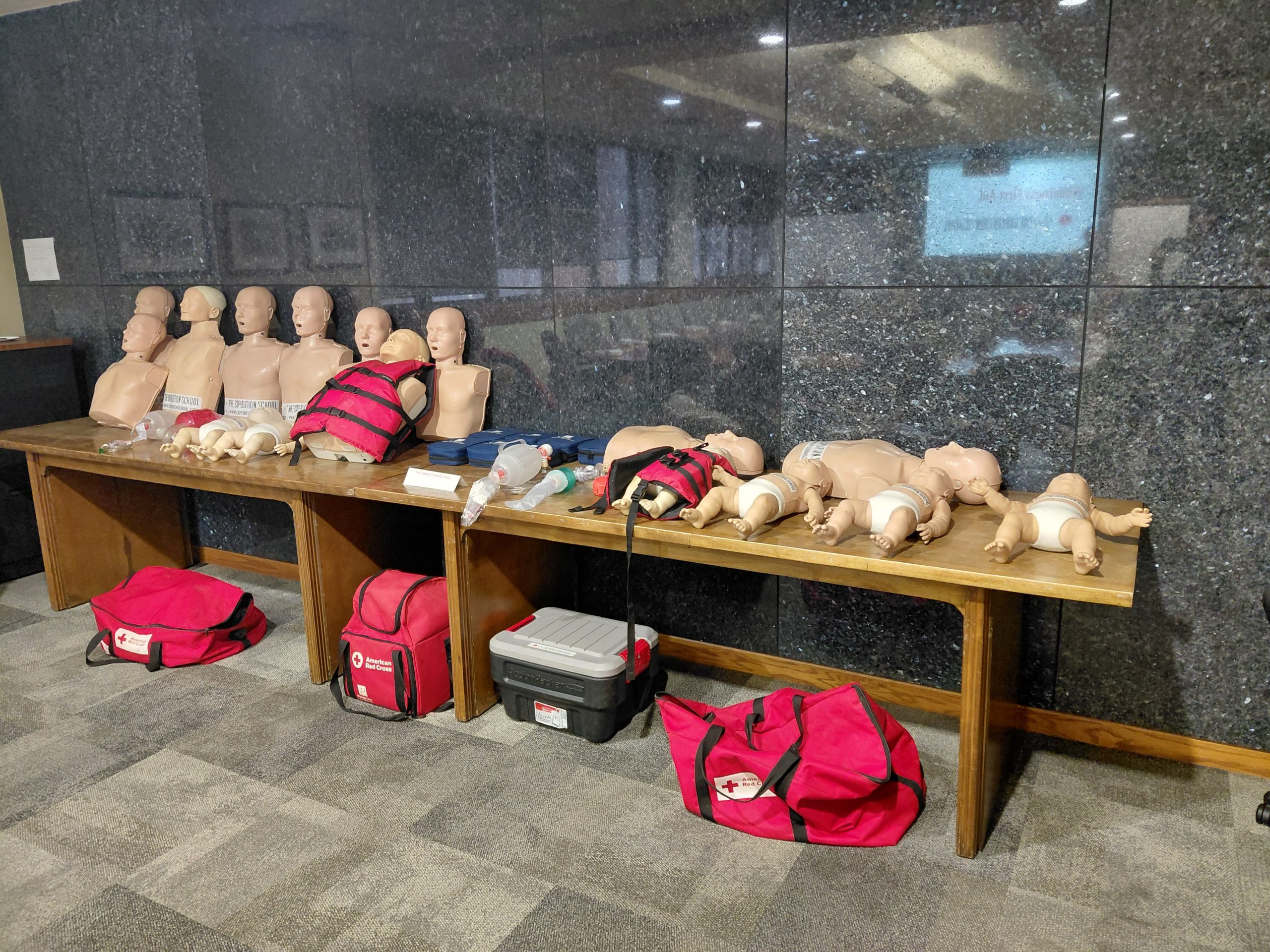
Kimery started the class by introducing herself and The Expedition School. She introduced me and she introduced Adam. Then she asked what everyone wanted to learn and their motivation for being there.
THE CLASS
There were professors and professionals from a few different fields: geology, environment, some researchers and even some administrative people who were responsible for undergraduate students.
Overall it was a very diverse class.
There were a few different reasons everyone was there but everyone seemed to understand the value in the knowledge they were going to get. One of them actually told me they were looking forward to this class for a few months.
Their reasons: They were participants who just wanted a refresher, they had taken a first aid course before but wanted to know the difference between that and a wilderness first aid. Some participants were just preparing for field work and guiding students. There was a guy that recently got promoted into a senior responsibility position and heard a story about an actual emergency at his job for which no one was prepared and realized he didn’t know anything either. The gist of the story: a coworker injured himself pretty badly, almost lost his arm, but his partner did not know first aid so he had to tourniquet himself and go get help himself because his partner was just in shock.
What was also fun to see in this class was that Adam and Kimery fostered community learning, it was not a one way street of sharing knowledge. A surprising fact we did learn is that Texas has more geological activity than any other state in the United States. That came from a student.
From the beginning, Kimery emphasized that she found it great that everyone wanted to learn. And that when it comes to accidents, it’s not a question of “if”. It’s a question of “when”.
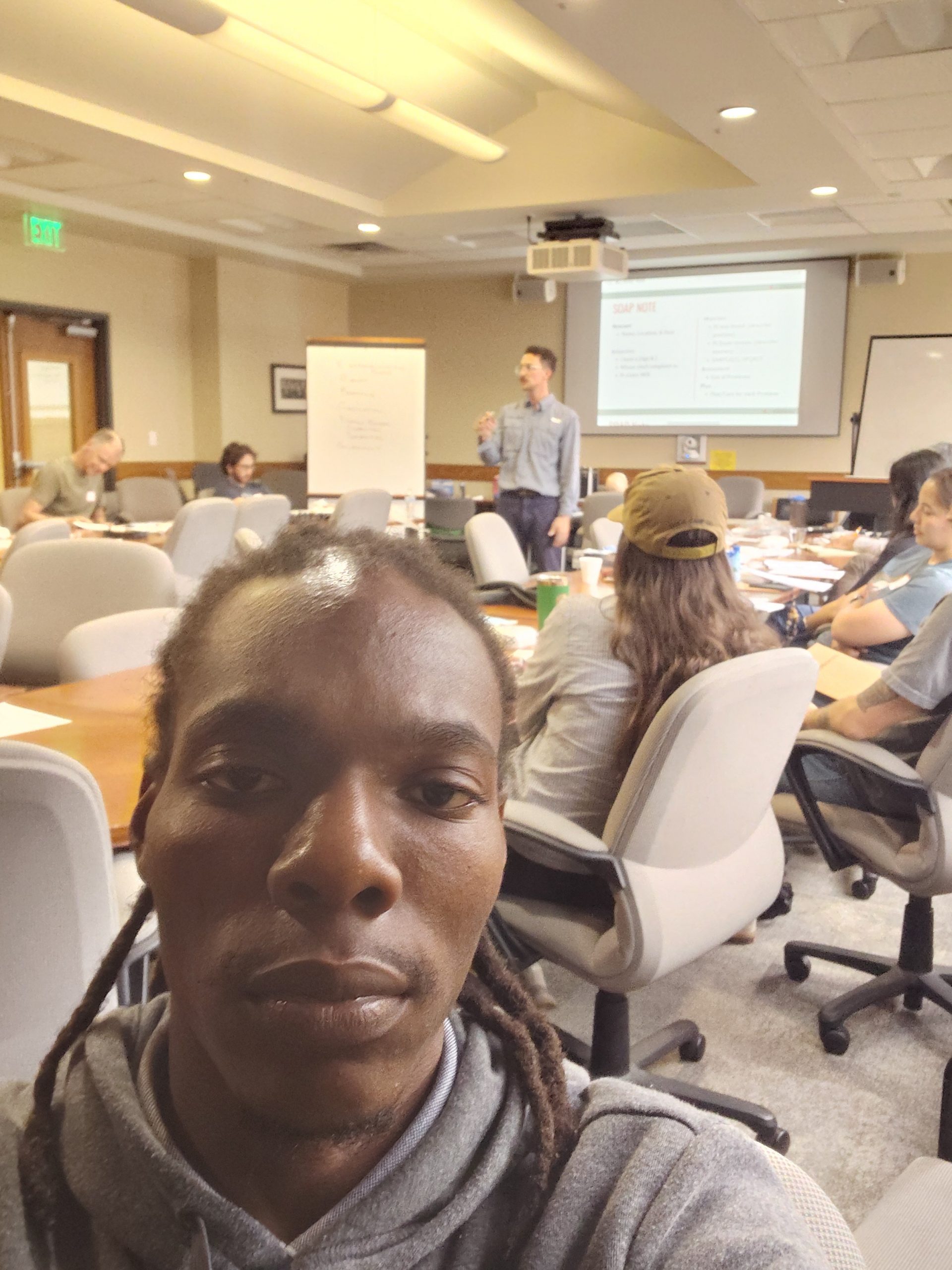
THE MINDSET SHIFT
I feel like the most important stuff was just the transformation of mindsets. Because participants had a lot of questions, but the more Adam and Kimery talked the more everyone seemed to realize it all came down to, how should you think as a wilderness first aid responder?
Which starts with knowing where you are going, knowing who you are going with, what are their needs and vulnerabilities.
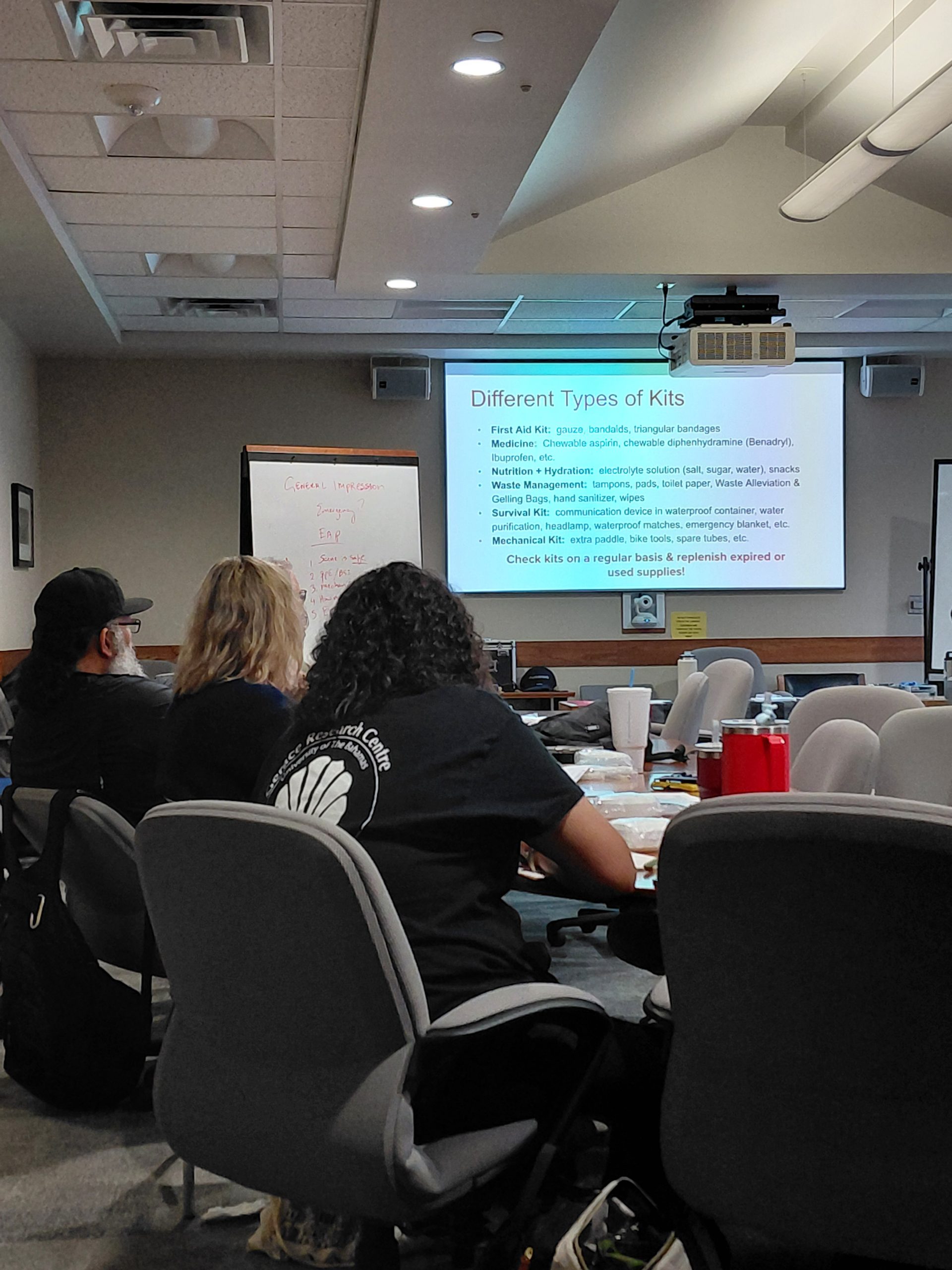
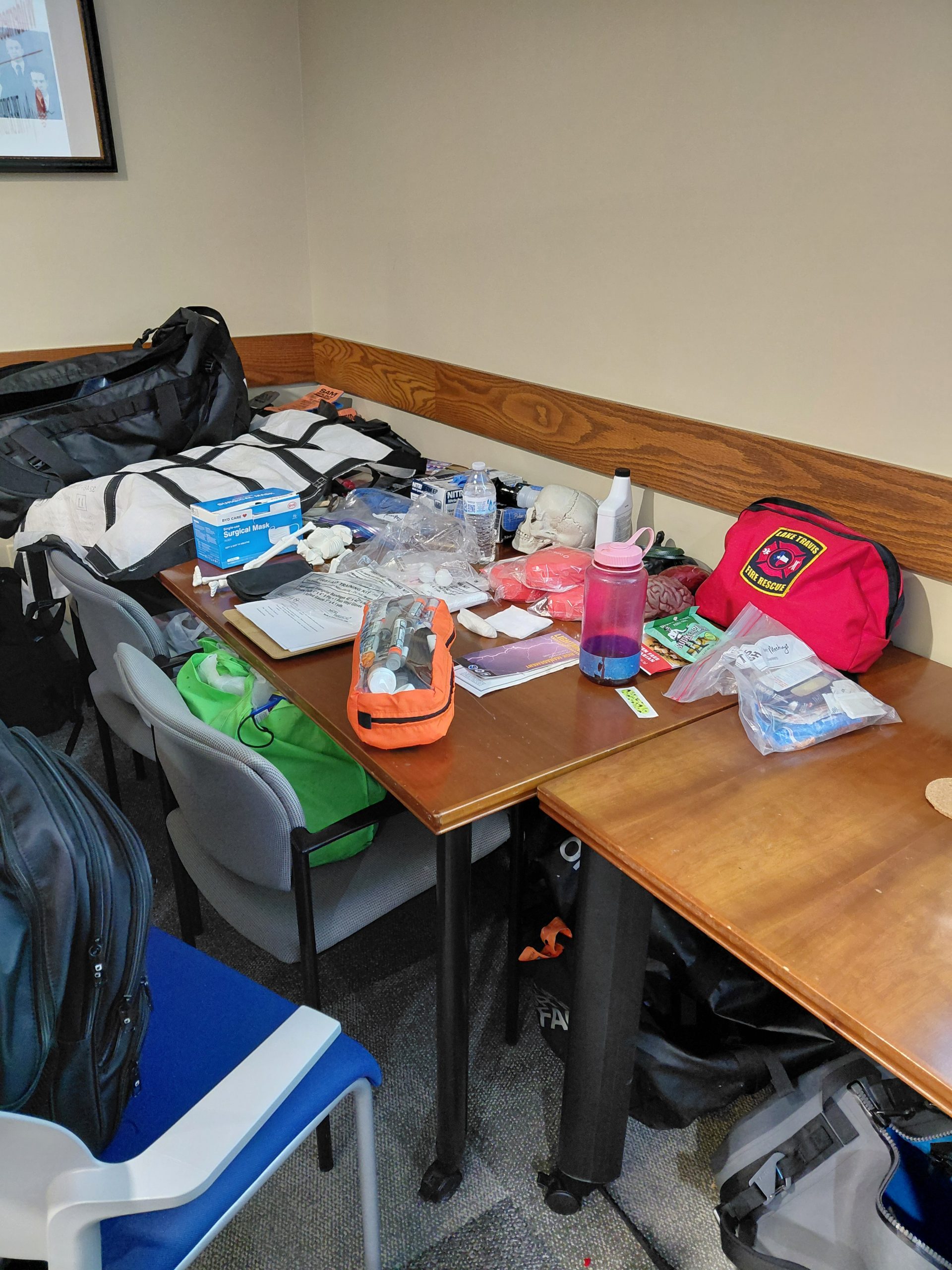
Which leads to the next part, what do you bring, what type of kits. There are different types of kits. How should you think about building your kit? What should you put in it? What don’t you put in it and why?
And it all comes down to preparing yourself for the environment that you are going to and the people you are going with.
Another thing that came up was being proactive, what they called the the “See Something, Say Something” rule.
And finally a simple 5 step plan when something does happen:
Step 1: Assess the environment, is the scene safe to enter? Because you can’t help anyone if you get hurt.
Step 2: What is the mechanism of injury?
Step 3: Minimizing disease transmission! Wear your personal protective equipment.
Step 4: What is the number of patients?
Step 5: What equipment do you have?
In my next post I will spill all the details, but in this one I really want to stick to how much just thinking about these things helps in making you more and better prepared to potentially save a life. Because as we say at The Expedition School, it is not a question of if, it is a question of when.
After this intense mind rewiring, we took a break.
After the break and lunch everyone was a bit quiet because there was so much information, but so much valuable information. After the break we went to some of the more fun stuff.
HANDS ON

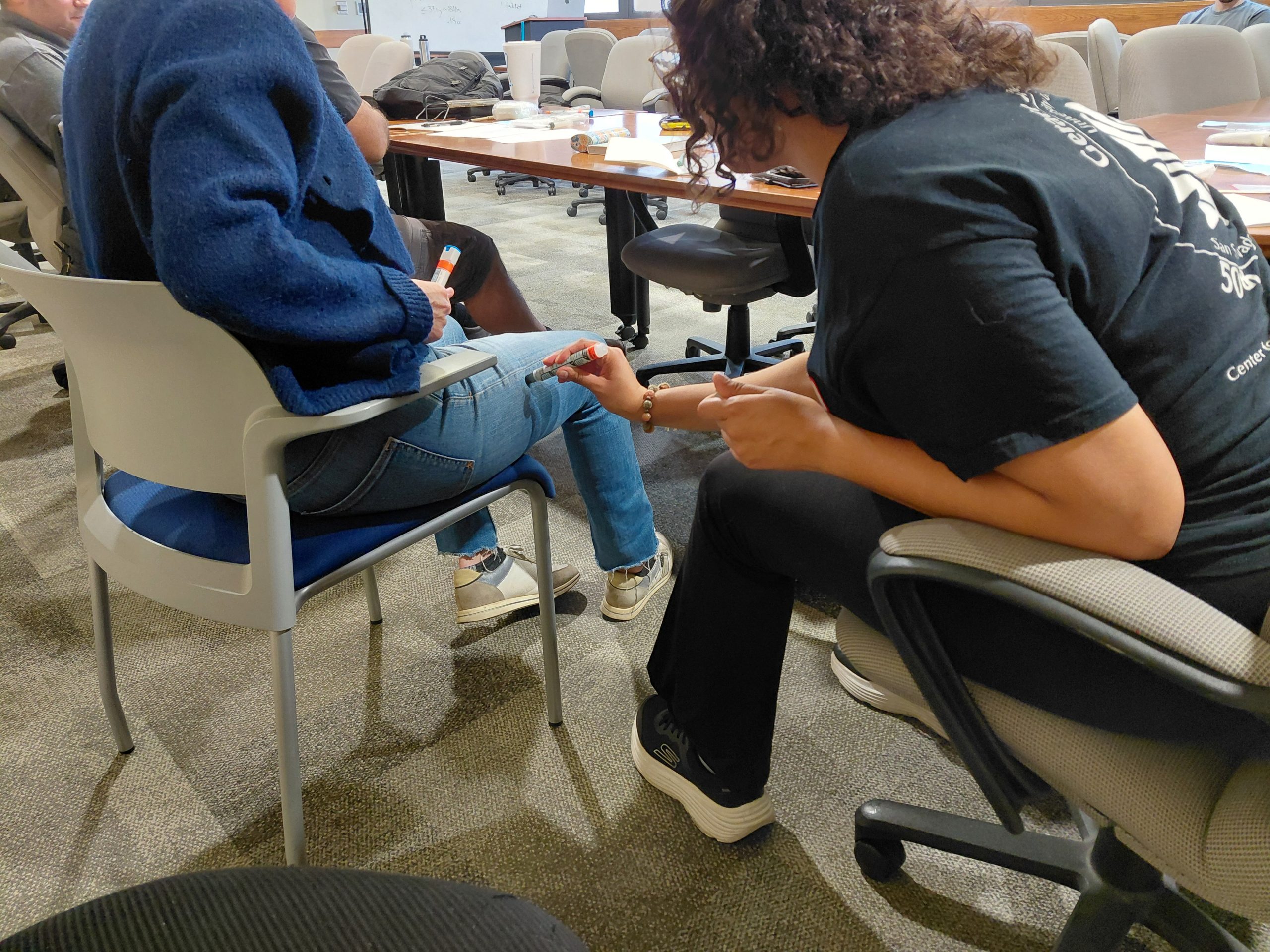
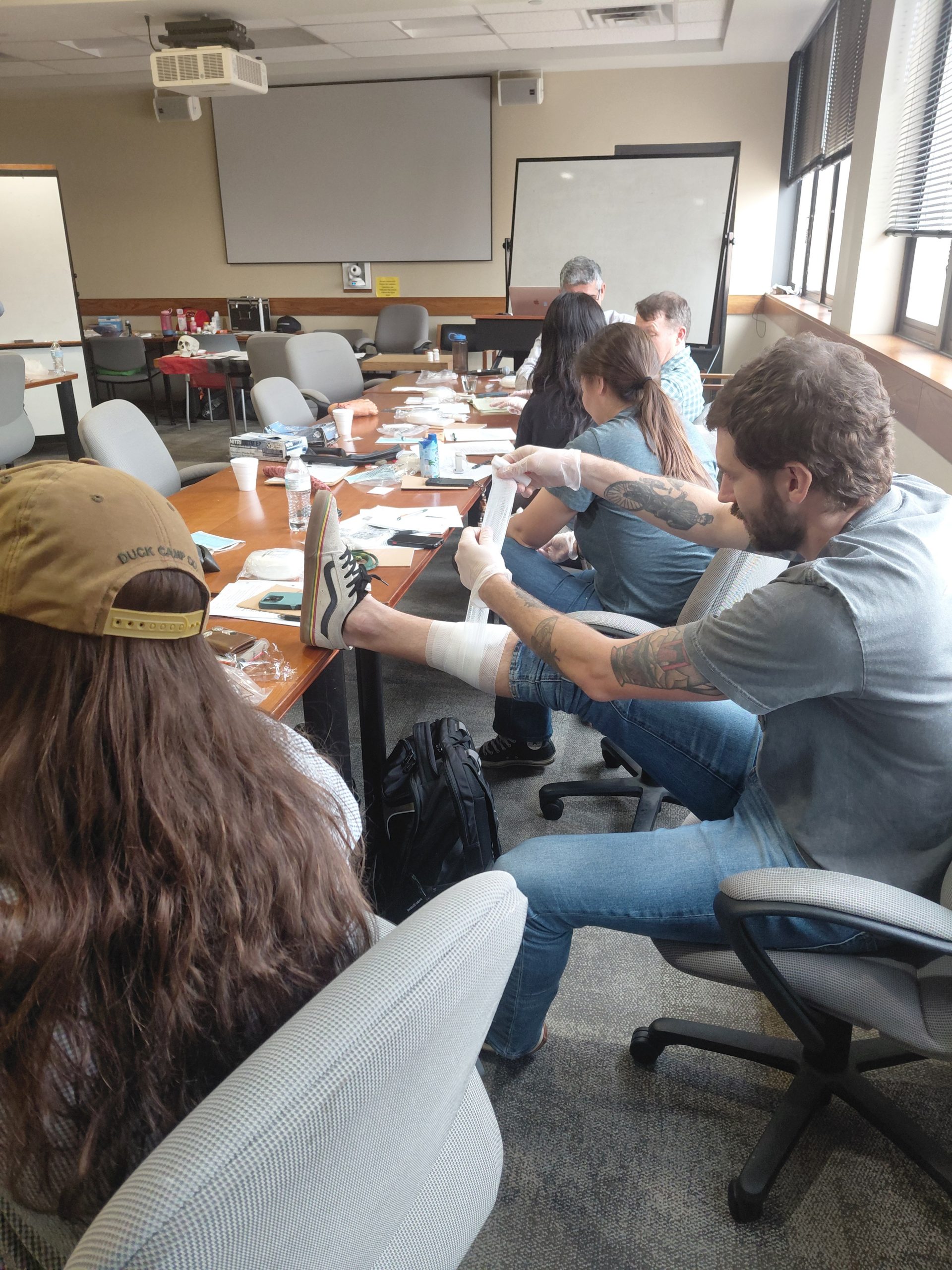
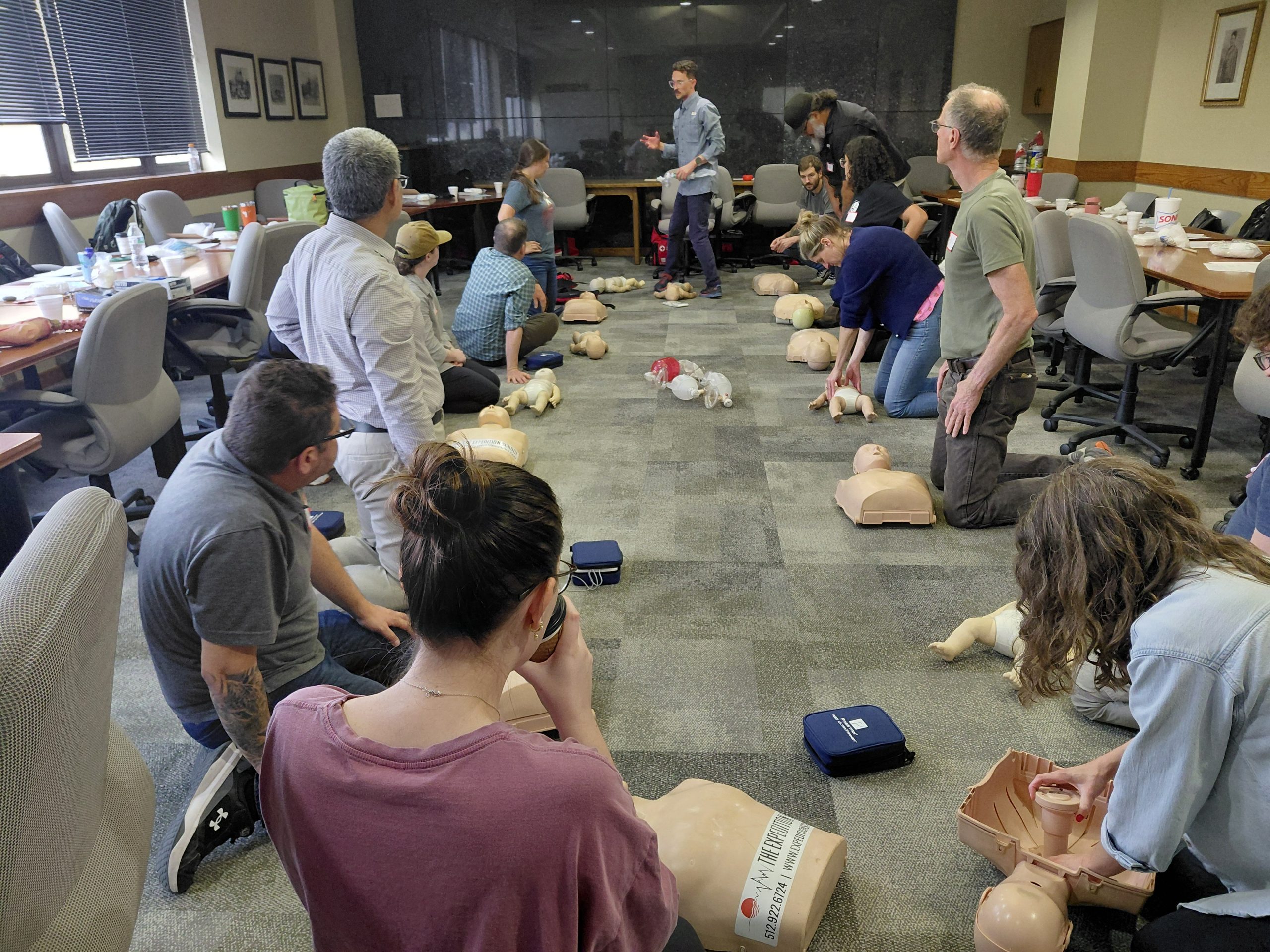
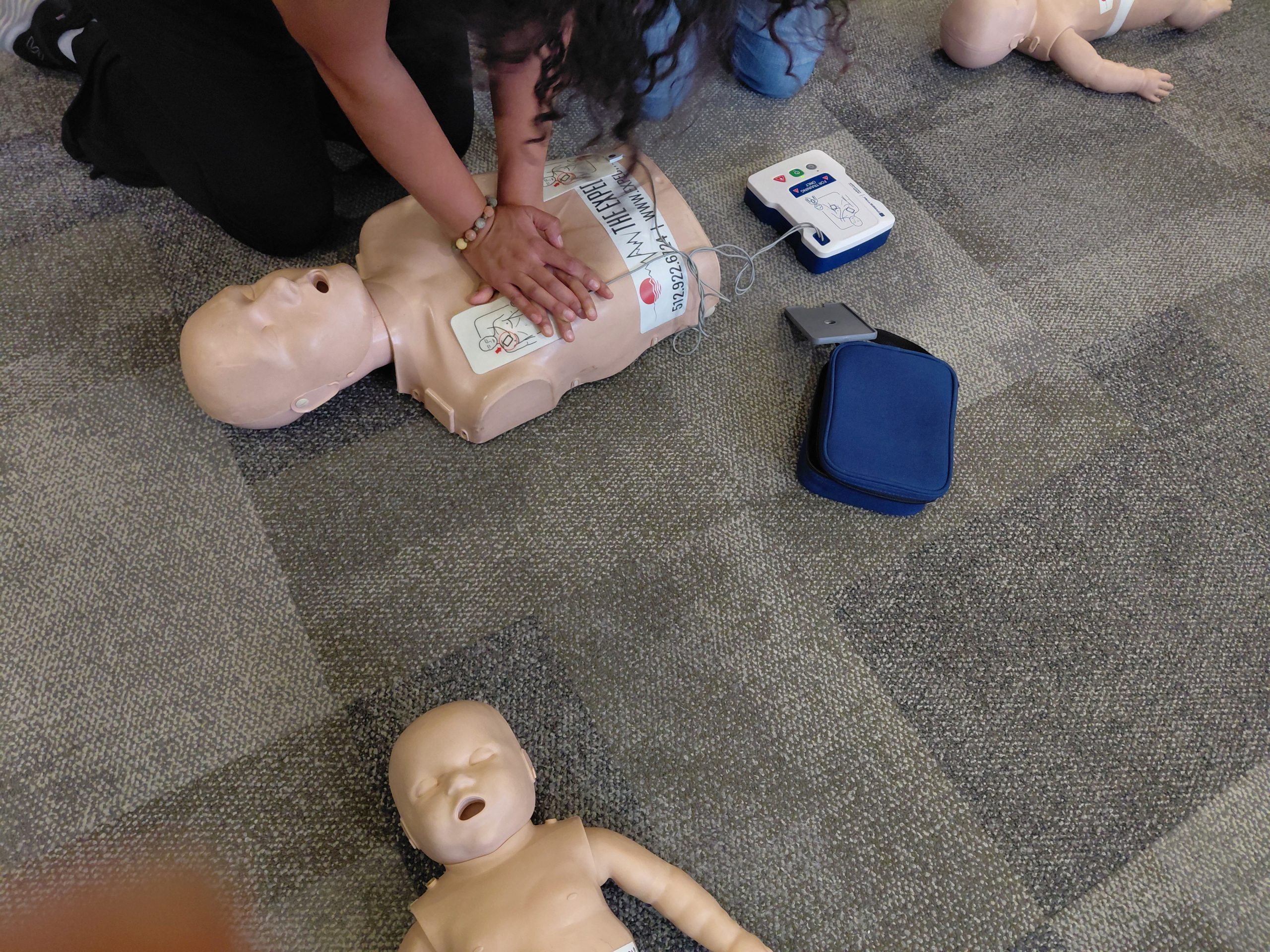
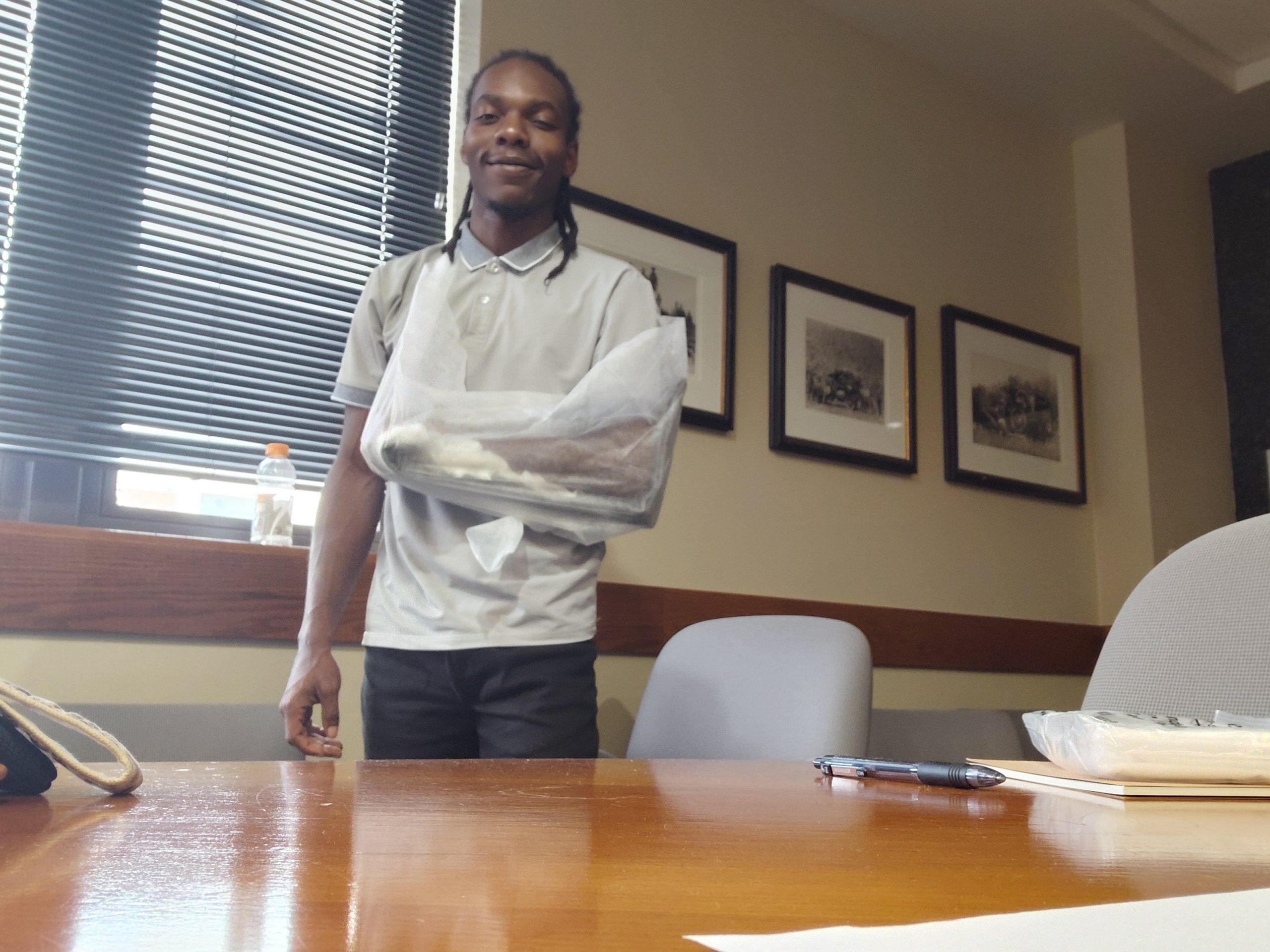
This wasn’t just a theoretical class. This was very hands on. We practiced with the EpiPen. We practiced how to tie a tourniquet. We practiced how to make a sling and swatch and splint an injury. We practiced how to put on gloves. We practiced how to take off gloves. We practiced how to use an AED. We practiced how to do CPR. We counted it out. We practiced on each other. We practiced taking a SOAP note. We practiced recognizing stroke and speech impairment. So we did a lot.
These may all seem like very simple things but in actuality they’re not because if done incorrectly, it could lead to a second emergency.

“The class was a total of 9 hours from nine to six. And basically, I left with the
idea you could save a life by just spending a day learning all these things.
Seeing the effect it had on the students, how engaged they were, how the
questions were flowing, even the weird ones. Can you use super glue? Do you
put teeth back? Do you move a patient? How do you get a patient out of an
unsafe environment? When leaving the training you get the answer to all the
questions, and you also see it comes back to the first principles. Using correct
judgment.”
The Expedition School tagline is: Learn from us, Save a life, Change the world. And I can honestly say, as a shadow and to be lucky enough to sit in on that class, I feel like I could save a life. And with the knowledge and depth that they provided, I could save the world.